I design and build custom software for companies: internal management systems, web apps, mobile apps, SaaS platforms and AI-powered products. I handle analysis, specs, development, suppliers and technical documentation myself, including projects backed by public funding grants.
10+ years in software development · 5 years in application security · One technical lead
Finding someone to write code is the easy part. The hard part is finding a person who understands the project, makes decisions and takes it all the way to delivery.
You need to turn requirements, deadlines and paperwork into software people can actually use.
The software house is not delivering, responsibilities are blurred and you struggle to understand what has actually been built.
You receive quotes and proposals that differ wildly, without a technical lead who protects your company's interests.
You no longer coordinate sales people, developers, designers and consultants working in separate silos. You have one point of contact who understands the goals, makes the technical calls and answers directly for how the project is progressing.
Needs analysis, architecture decisions, supplier evaluation, risk management and prioritization. A level of responsibility comparable to that of a Fractional CTO.
Flows, features, prototypes, specs and development plan.
Web apps, mobile apps, SaaS platforms, APIs, integrations and AI-powered products.
Support in preparing requirements, estimates, technical reports, deliverables and the materials grants ask for, as part of taking on the project as a whole.
I build custom software for companies with specific processes to cover, systems to connect or digital products to bring to market.
Management software built around the way your company actually works: orders, jobs, production, logistics, reporting. Worth building when off-the-shelf systems force you to work their way.
Web applications for your team or for your customers, accessible straight from the browser with nothing to install: portals, dashboards, member areas, day-to-day operational tools.
iOS and Android apps for your customers or for staff working in the field, integrated with the systems you already run.
Software products sold on subscription: from the first version that validates the market to a platform ready to scale.
Assistants, automations and AI agents built into your business processes, shaped around your data and your workflows.
Connections between your business system, e-commerce, CRM and external tools, so the same data stops being entered twice and manual handovers disappear.
Every project follows a clear path, from the first analysis through to maintenance. You always know which phase you are in, what has been done and what happens next.
I study your processes, your goals and the systems already in use. This is also where I assess whether custom is the right call: if an off-the-shelf product covers what you need, I tell you straight away.
I turn the analysis into a spec document covering features, priorities, timelines and costs. It becomes the basis of the quote and the contract, so you know what you get and when.
I define the architecture, the flows and the interfaces before any code gets written. Designing custom software up front surfaces problems while they are still cheap to fix.
I ship working versions at short intervals. You watch the software take shape, try it out, and we adjust course together without waiting months for a demo.
Every release goes through functional testing and application security checks: authentication, permissions, data handling, configuration.
I put the software into production, support the people who will use it, and stay available with ongoing maintenance and further development.
I use AI agents and automation across analysis, development, testing, documentation and maintenance. That lets me run a lean setup while keeping technical and decision-making control of the project in my own hands.
No account managers collecting information to pass on to a team you have never met.
Specs, development, testing and documentation all belong to one coordinated process.
AI speeds up repetitive work, analysis and checks. Decisions, accountability and quality control stay human.
AI does not take over technical responsibility. It gives me more time for the decisions that determine the quality of the product.
My experience in application security feeds into the decisions taken throughout the project: architecture, authentication, authorization, data handling, APIs, uploads, integrations, secrets and environment configuration.
The goal is to cut down from the start the mistakes that leave a product fragile, instead of bolting a security check on at the very end.
Roles, permissions, authentication, authorization and data separation are defined before the critical features get built.
Credentials, environment variables, third-party services and production configuration are handled in a way that avoids the most common exposures.
I assess the risks introduced by APIs, uploads, integrations, public-facing features and the handling of user data.
I build technical checks into the review, testing and deployment process.
In 2020 Fastweb added me to its Hall of Fame after a responsible security disclosure.
The public Hall of Fame recognizes people who responsibly helped improve the security of Fastweb systems, services or products.
Custom software is a serious investment, and in some cases an off-the-shelf product remains the better choice. These are the same criteria I apply during the analysis.
When an off-the-shelf product covers what you need, I tell you during the analysis: adapting to a proven tool costs less than building a new one. Custom makes sense when the process it covers is worth the investment.
A selection of products built for clients and as my own ventures, from initial definition to production.
I worked alongside the team on product design and development, right through to market launch.
€150,000 raised
View the project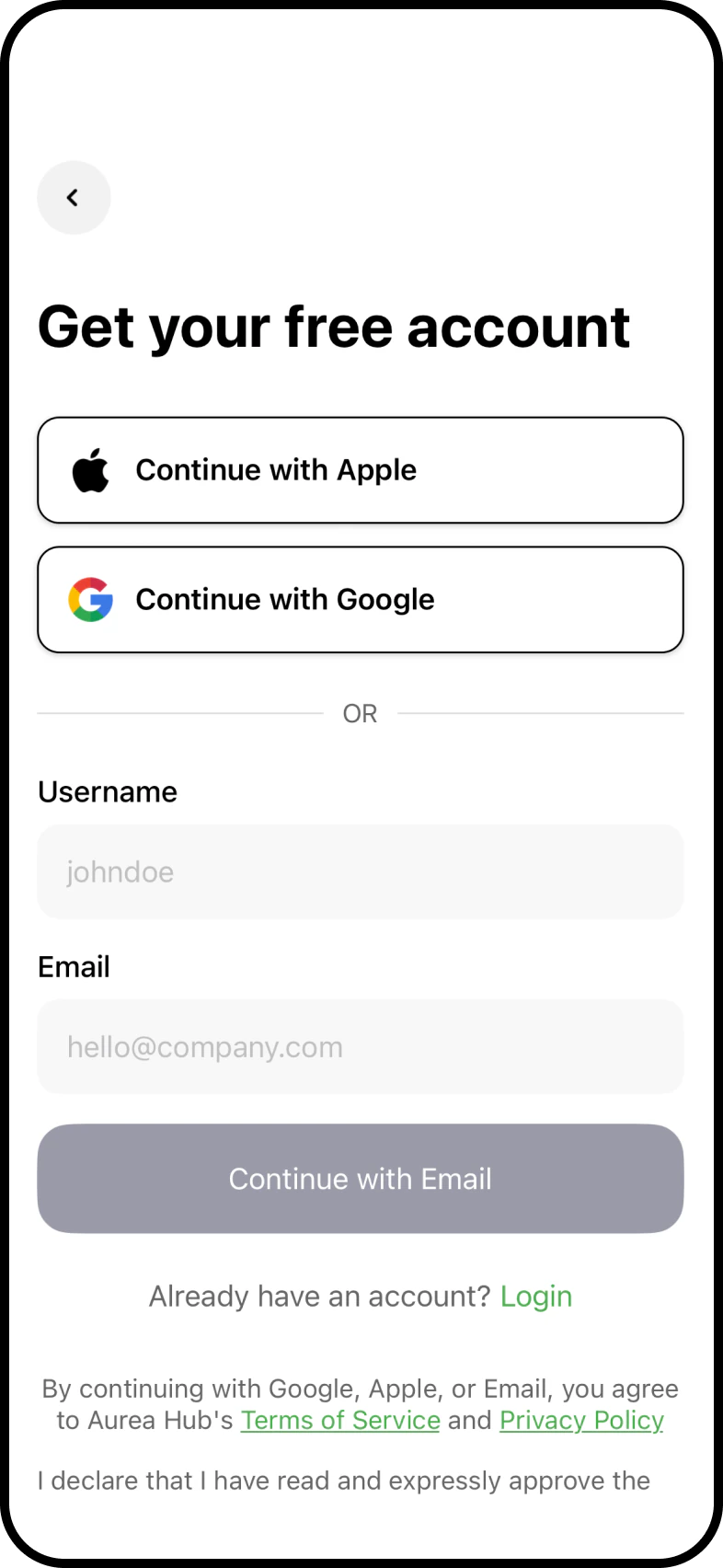
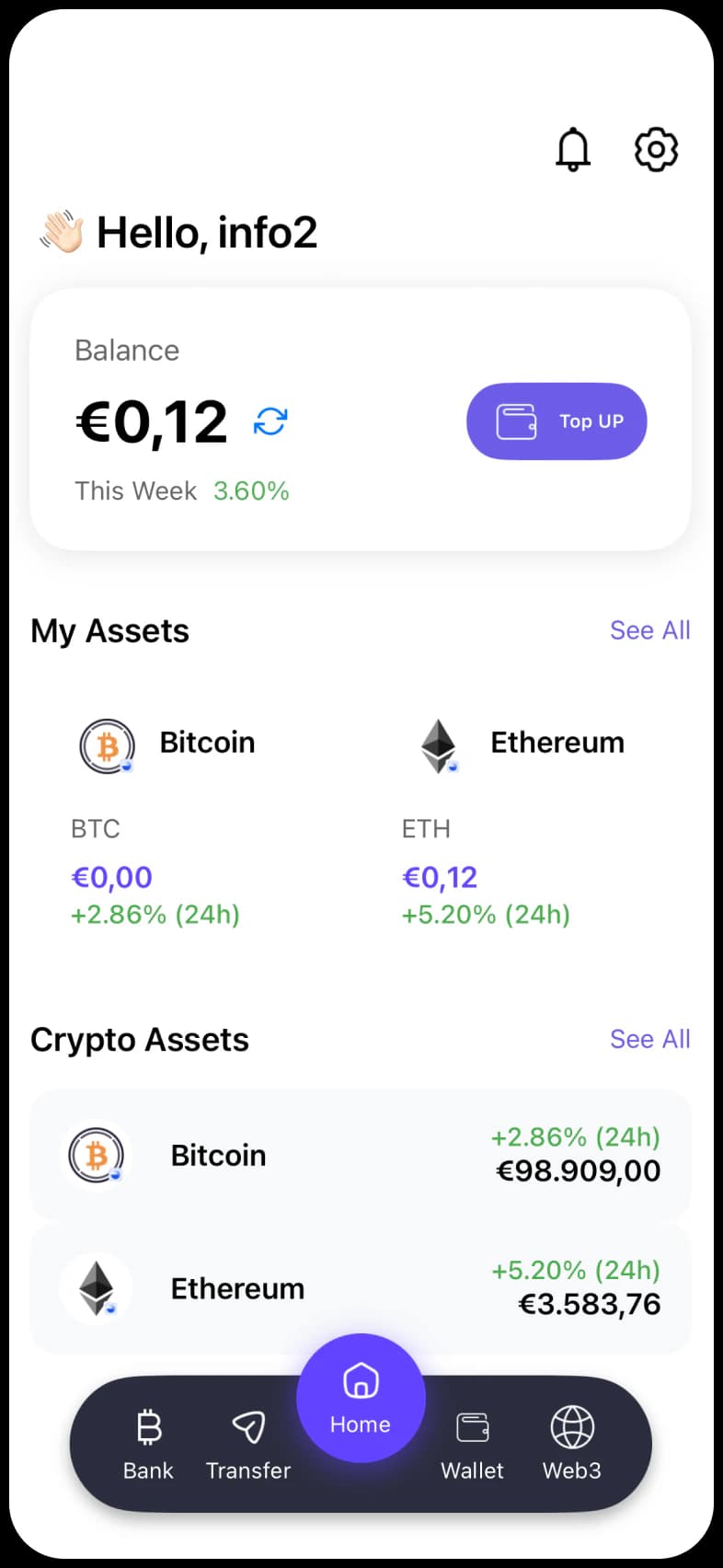
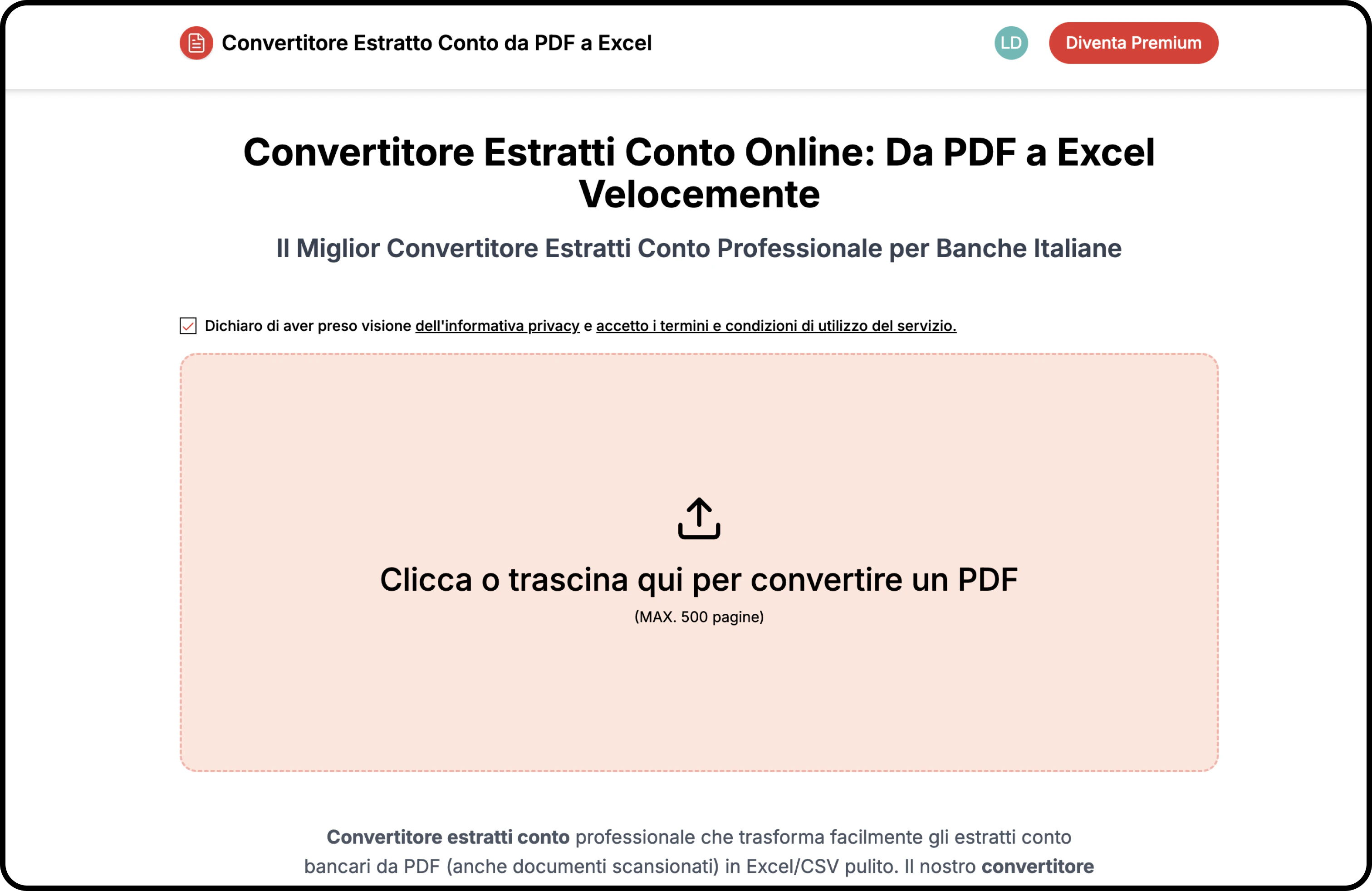
A platform that automates bank statement conversion, taking a manual, repetitive task off the desk of firms and professionals.
Visit the product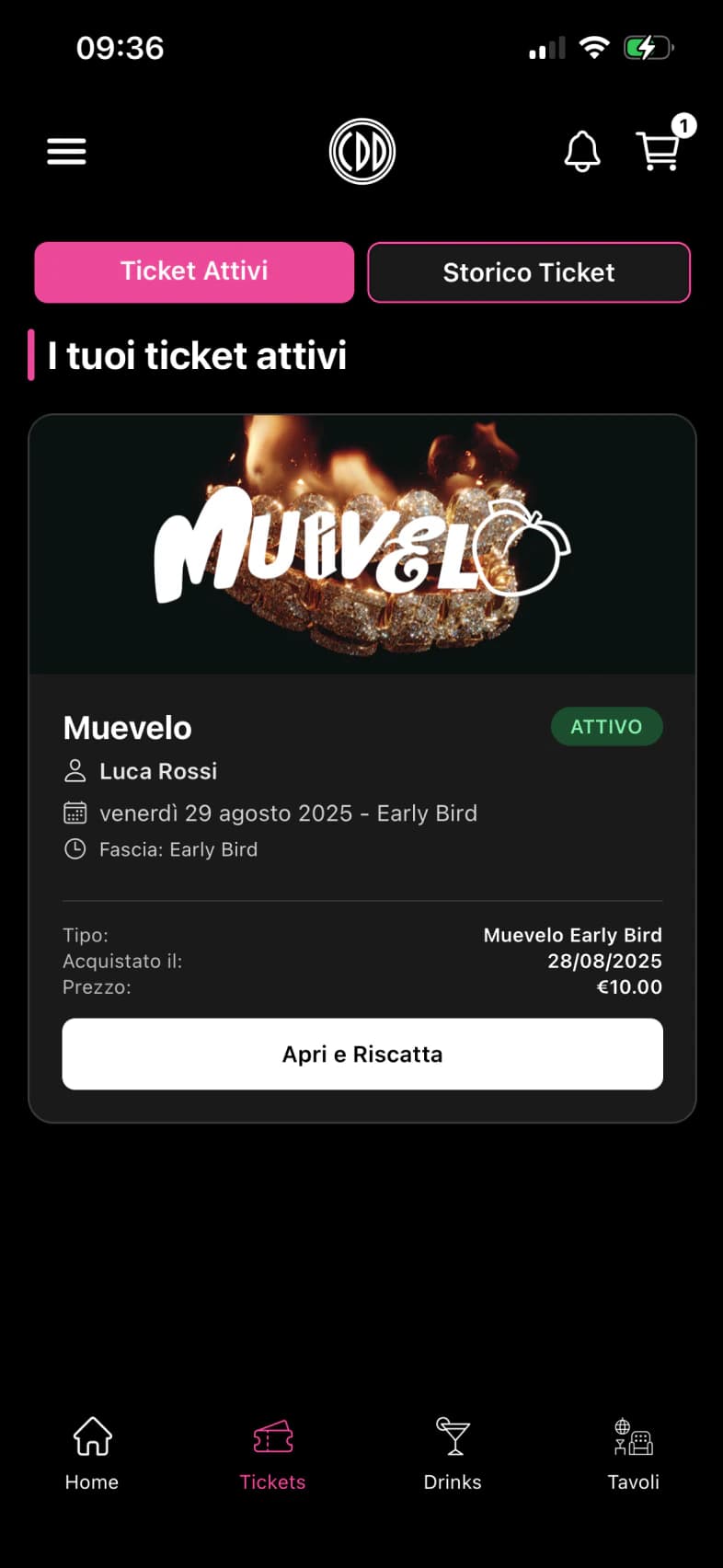
I built the platform that handled over 1,000 users across tickets, tables and orders, with dynamic pricing and an admin dashboard.
Other projects are covered by confidentiality agreements. The ones I can publish, with context and results you can verify, are on the Projects page.
Founders and teams who trusted me with a product, or with its technical direction.
With the support I got, we went from idea to launching our Fintech app and raised €150,000
— Filiberto Tasca
CEO, Aurea
You are simply after the lowest quote, or someone to work through a list of features without taking part in the decisions about the product.
The answers to the questions that come up most before we start working together.
The projects I take on start at 12,000 euro and generally go up to 70,000, depending on features, integrations and complexity. After the initial analysis you get an estimate covering both costs and timelines.
A first usable version generally takes two to six months. I work in frequent releases, so you start trying the software out well before the final delivery.
It depends on the process. For standard activities like invoicing or bookkeeping, an existing product is the better buy. Custom is worth it when the process is specific to your company, or when standard products need too many manual workarounds. That assessment is part of the initial analysis.
Yes. Before proposing a plan of work I review the code, documentation, infrastructure, suppliers involved and the real state of the project.
Yes. I can coordinate software houses, designers, consultants and suppliers already involved, acting as the client's technical lead.
Yes. I can prepare or review the technical documentation covering the product, its features, the architecture and the work carried out.
I use an agentic process and, when needed, a selected network of professionals. Technical direction, quality control and the client relationship stay with me.
We can agree a maintenance, monitoring and further development service, so the product is not left behind once it goes live.
Yes. I can run a technical review of the project, check what has actually been built and define what is needed to finish it or get it back on track.
Tell me where you are today, what you need to build and the deadlines you have to meet. I will review the project myself and tell you whether I can take it on.
The first call is there to clarify goals, technical status, budget, deadlines and whether we are a good match.
